
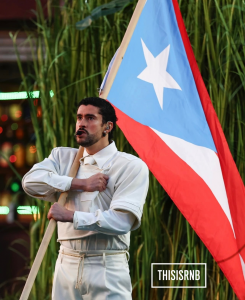
There are moments in culture that don’t just make history — they define it. This was one of them.
On February 8, 2026, Bad Bunny stepped onto the Super Bowl LX stage not just as a performer, but as a cultural force — the first Latino solo artist to headline the iconic halftime show and to do so almost entirely in Spanish. And, unapologetically in his own voice. What we witnessed wasn’t just a concert; it was a statement of identity, pride, unity, and love — the kind of show that lingers in your bones long after the final note.
From the very first second, he made it clear: this was going to be his truth, his heritage, his people, and his language on the biggest stage on Earth. In a time marked by division, Bad Bunny chose joy, heritage, and connection-proving that the only thing more powerful than hate is love.
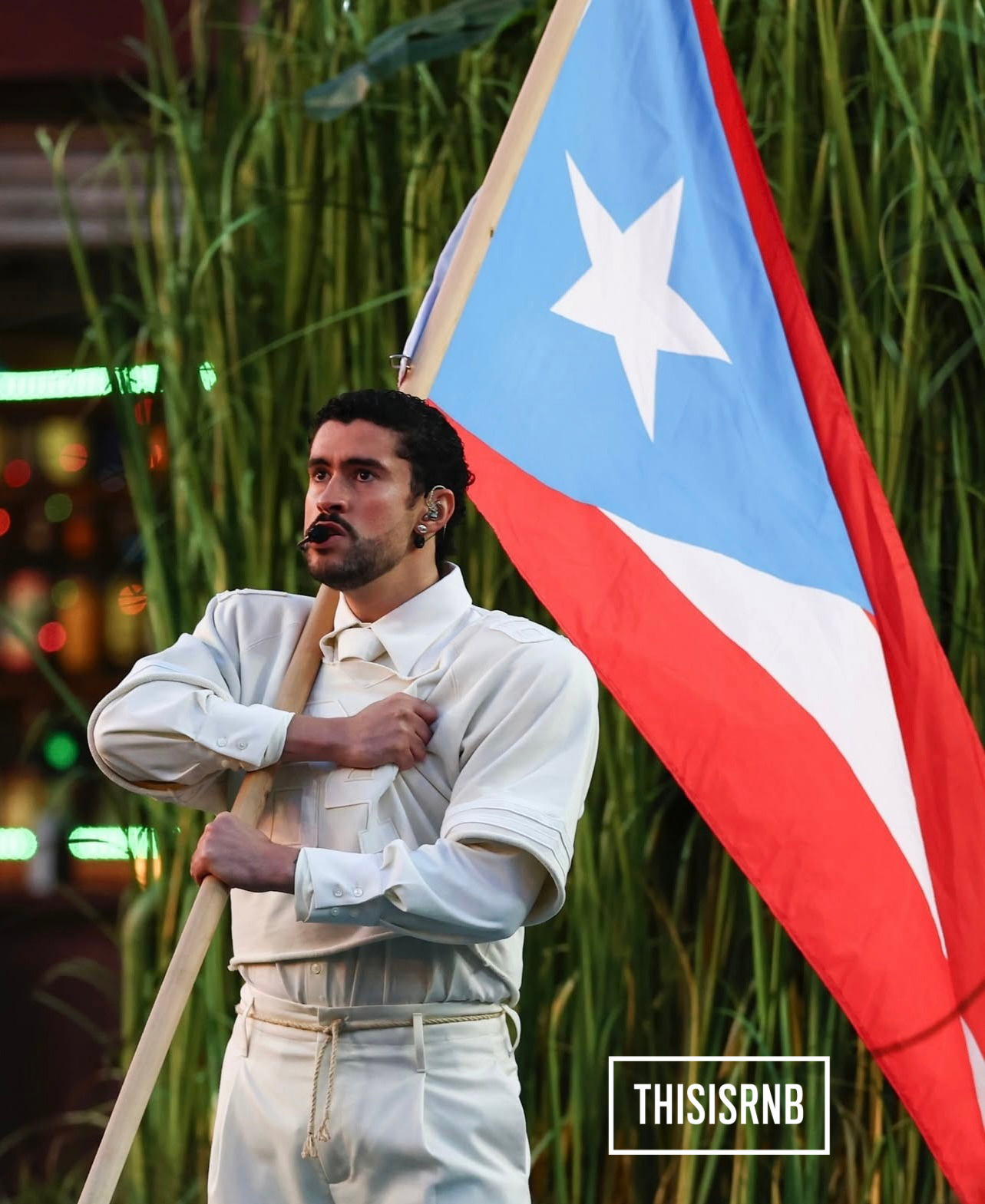
Bad Bunny left everything — every ounce of energy, every beat, every emotion — on that field. He opened with the joyous, unrelenting energy of “Tití Me Preguntó,” catapulting the crowd into a Puerto Rico-infused world where sugar cane fields, piragua carts, domino games, and street-corner rhythms came alive.
His costume — a cream, football-themed ensemble featuring “Ocasio” and the number 64 — wasn’t just fashion. It was family and heritage worn with pride, honoring his Mother’s maiden name, and the people who shaped him. This was personal, not performative.
But the intentional symbolism didn’t stop there.
The show’s artistic direction brought Puerto Rican culture to the forefront: dancers dressed as jíbaros in traditional pava hats, a casita rising from the field echoing community and home, and moments nodding to real-world struggles like the island’s battle with failing power infrastructure — referenced powerfully during “El Apagón.”
Then came the climb. As Bad Bunny and a female performer ascended what looked like a power pole mid-set, the moment shimmered as both a visual metaphor and emotional flashpoint — representing resilience, labor, history, and the persistent light of spirit even in darkness. Nothing felt accidental. Every image carried weight.
And just when you thought the performance couldn’t get more moving, he brought it home with symbolism.
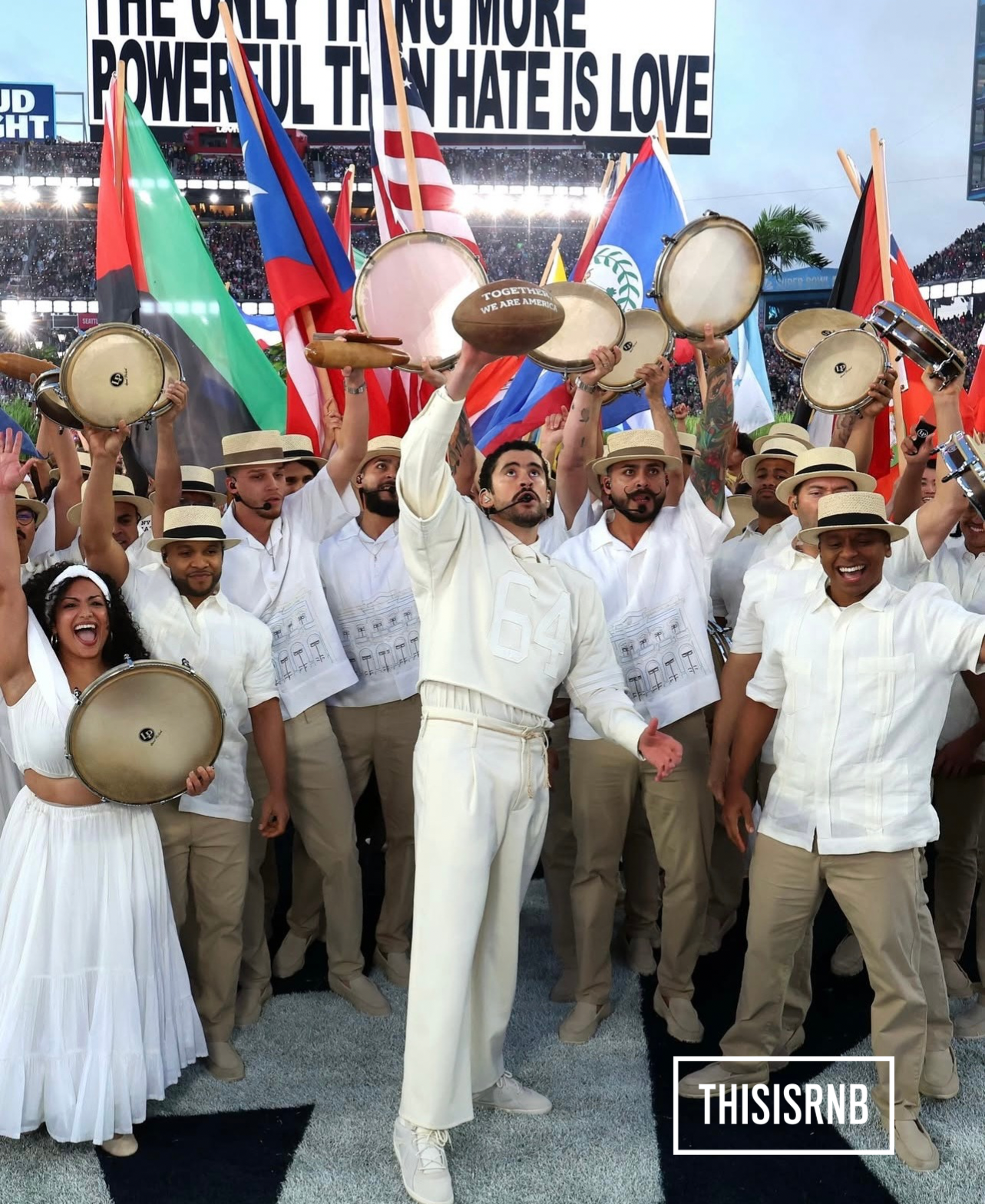
Clutching a football emblazoned with the words “Together We Are America,” he paused, looked up, and declared “God Bless America” — not as a slogan, but as an inclusive embrace of a continent’s tapestry of identities. Flags from across the Americas rose behind him. Not just the U.S., not just Puerto Rico — every nation from south to north was named, honored, and woven into this moment of unity.
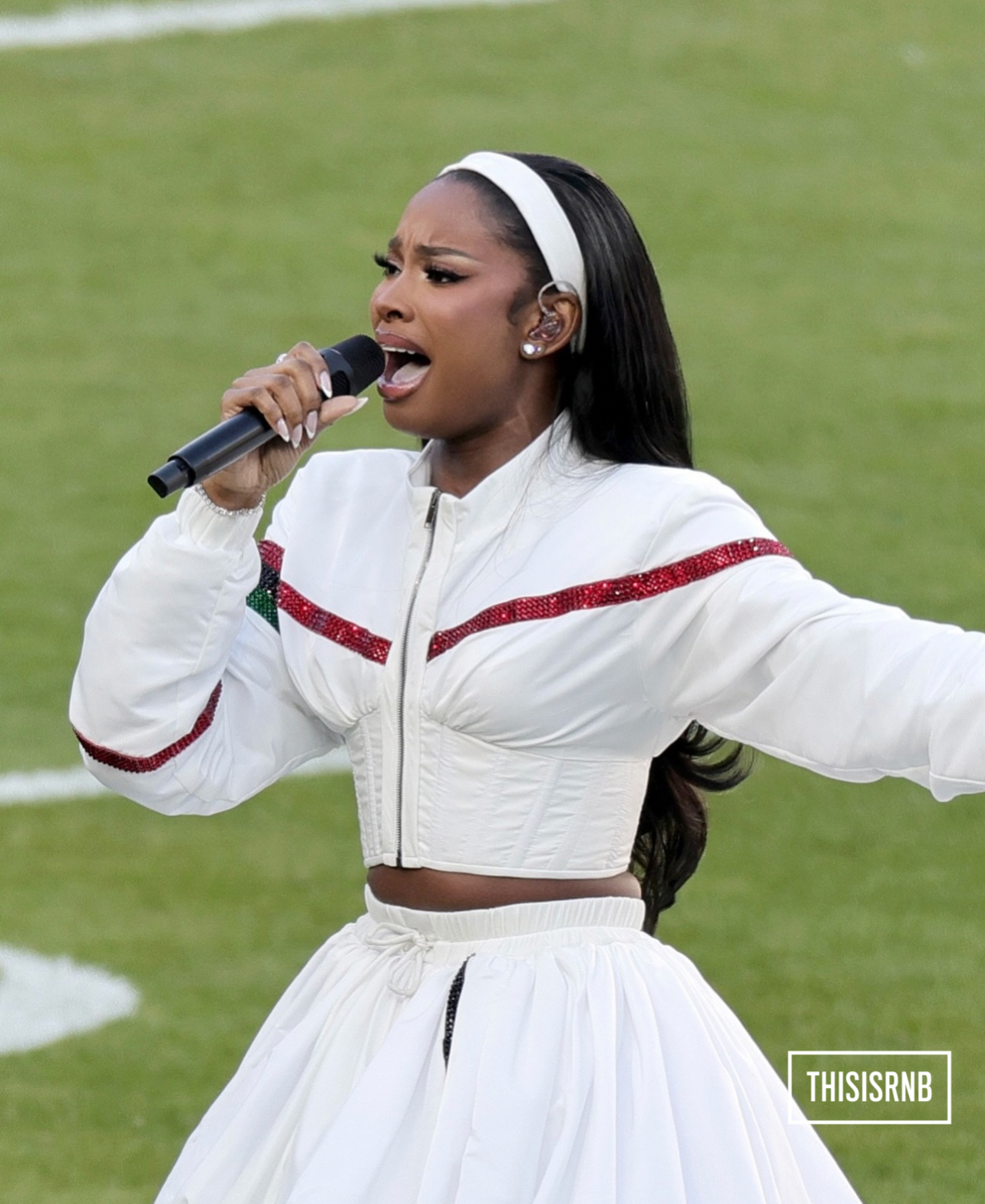
Before halftime even began, R&B claimed its moment in stunning fashion. Coco Jones delivered a show-stopping rendition of the Black National Anthem, “Lift Every Voice and Sing,” reminding the world why she stands among today’s most compelling vocalists. Graceful and commanding, Jones honored legacy while firmly standing in her own light. Her look subtly paid tribute to Whitney Houston’s legendary 1991 Super Bowl presence, echoing both elegance and power, while her color choices nodded to Pan-African pride. In that moment, Coco didn’t just sing — she carried history forward, channeling reverence, excellence, and soul. A true standout and a reminder that R&B’s future is in very good hands.
And because the Super Bowl is as much about spectacle as sport, the commercials once again became a major talking point. While many leaned heavily into AI, tech, and high-concept futurism, one ad stood head and shoulders above the rest. Levi’s delivered the night’s most explosive creative commercial — vibrant, kinetic, and impossible to ignore. Titled “Backstory: Levis Behind Every Original,” anchored by critically acclaimed singer, songwriter magnetic Doechii, the spot celebrated movement, confidence, and unapologetic self-expression. With bodies shaking, backsides dancing, and rhythm driving every frame, it felt less like an ad and more like a cultural moment — music, fashion, and attitude colliding in pure joy.
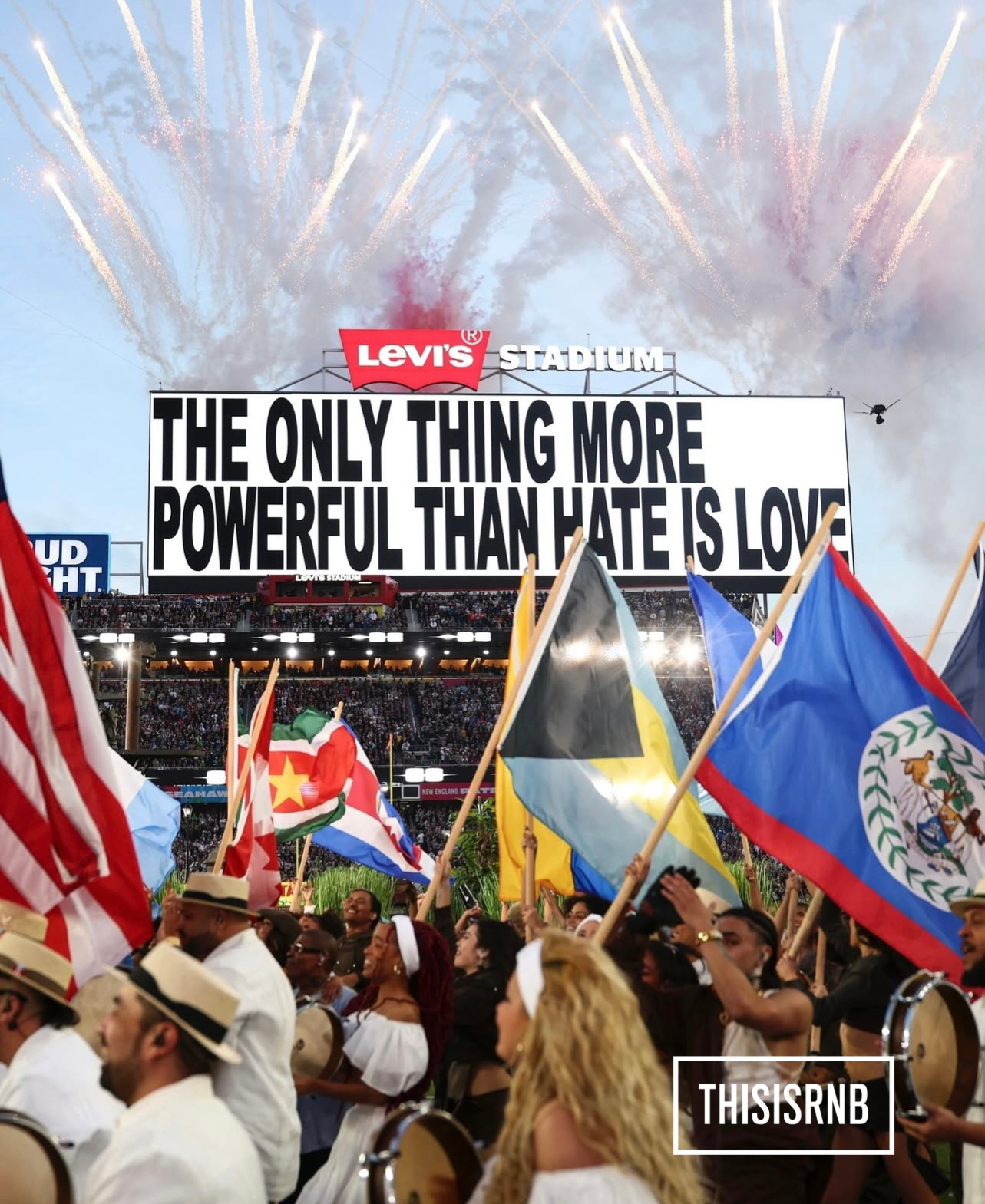
On the stadium screens, a simple but profound message blazed:
“The only thing more powerful than hate is love.”
In that one breath — through music, heritage, symbolism, and sheer heart — Bad Bunny reminded us that love not only entertains, it transforms.
This wasn’t just a halftime show. It was a celebration of culture, a declaration of inclusion, and a reminder that the most powerful stage in the world doesn’t just belong to one voice — it belongs to every voice willing to lift love higher than hate.